Thriving as a Psychology Student in Open Distance Learning
Thriving as a Psychology Student in Open Distance Learning
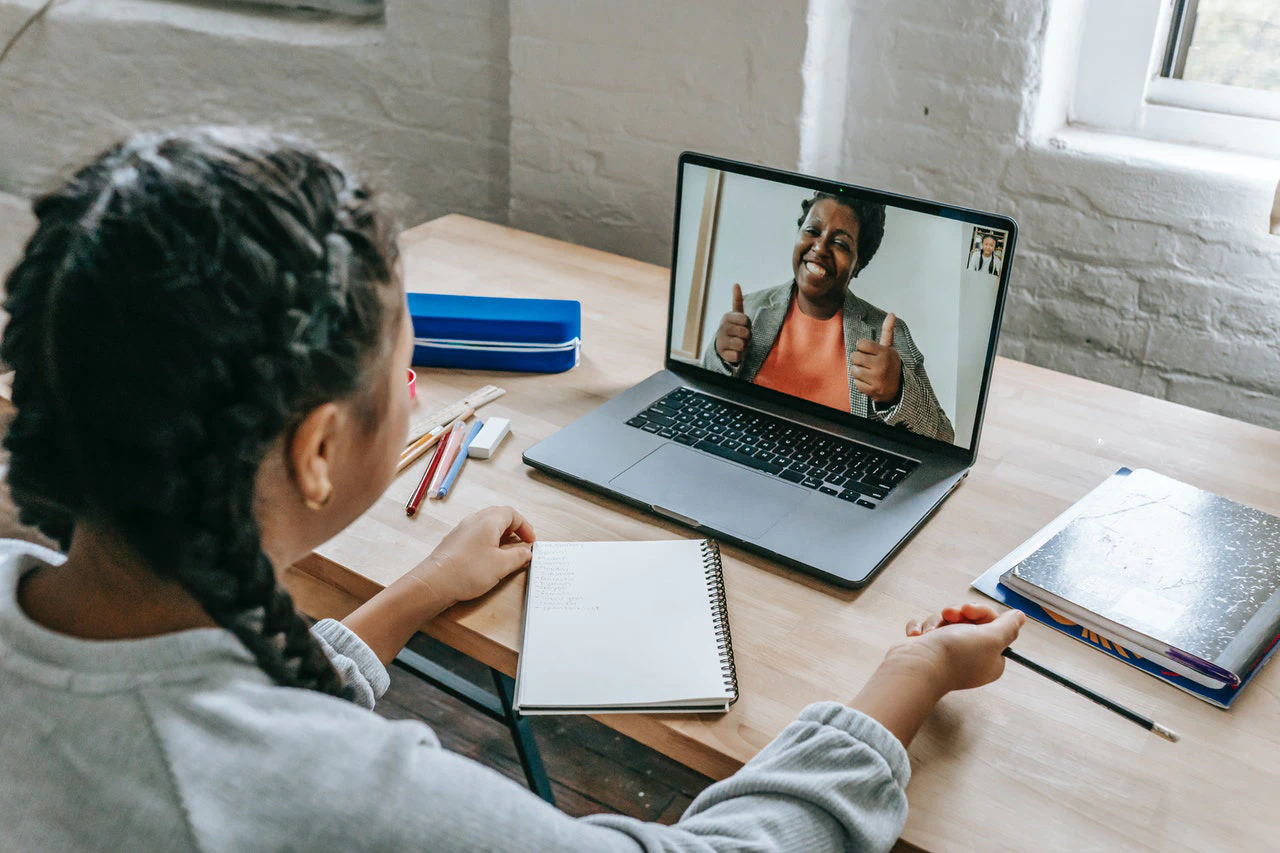
In today’s evolving educational landscape, Open Distance Learning (ODL) has become a powerful tool for psychology students seeking flexibility without compromising quality. As an psycology student, I’ve come to appreciate how ODL fosters self-discipline, curiosity, and effective communication—all essential for academic and professional growth.
Why Communication Matters in ODL
Unlike the structured classroom environment, distance learning requires you to proactively engage with lecturers and peers to overcome learning challenges. Communication is not just a one-way street—it's a dynamic exchange. According to the Osgood-Schramm model of communication, learning thrives in interactive environments where questions, ideas, and feedback flow both ways.
In my journey as a psychology student, reaching out to instructors for clarification, actively participating in day schools, and engaging in peer discussions through the Virtual Learning Environment (VLE) have been game-changers.
Being an Active and Independent Learner
Studying psychology through ODL has taught me to be self-motivated and accountable. It’s not just about reading textbooks; it's about questioning, reflecting, and connecting theories to real-world behavior.
- Active Listening: During live sessions or recorded lectures, I take focused notes and jot down questions to explore further.
- Preparedness: Before attending a virtual class, I review the topic, list down concepts I don’t understand, and come ready to contribute.
- Peer Interaction: Study groups help clarify concepts like cognitive bias, defense mechanisms, or research methods that might be overwhelming alone.
Tools That Keep Me On Track
Technology plays a vital role in managing my ODL life. Here are a few tools I rely on:
- Moodle: For accessing course content and discussion boards.
- Zoom: For attending live sessions and webinars.
- Google Calendar & Notion: For planning my study schedule and tracking assignment deadlines.
- Pomodoro Timer: For staying focused during long reading sessions.
My Personal Tips for ODL Psychology Students
- Set Clear Goals: Whether it's understanding abnormal behavior or learning how to conduct psychological research, having specific goals keeps you focused.
- Ask Questions: Never hesitate to ask your lecturers or peers. Psychology is a complex field, and clarity is key.
- Apply What You Learn: Try to relate theories to everyday behavior. This makes concepts stick and boosts your critical thinking.
- Reward Progress: I celebrate small wins—like finishing a module or submitting an assignment—by treating myself to a break or a favorite snack!
Final Thoughts
Open Distance Learning isn’t always easy, but it’s incredibly rewarding. As a psychology student, I’ve developed more than academic knowledge—I’ve cultivated resilience, independence, and the ability to communicate meaningfully. These are not just study skills; they are life skills that will shape my future career in psychology.
If you’re on a similar path, remember this: you’re not alone, even when learning independently. Ask questions, engage actively, and embrace every learning opportunity. Your future self will thank you.
Have thoughts or experiences with ODL? Share them in the comments below!
Good job has done. As an Odl learner i reward my self after finishing every task. Its really works and motivated me to control my stress..
ReplyDeleteInformative article
ReplyDeleteGood work
ReplyDeleteGreat work ✨
ReplyDelete